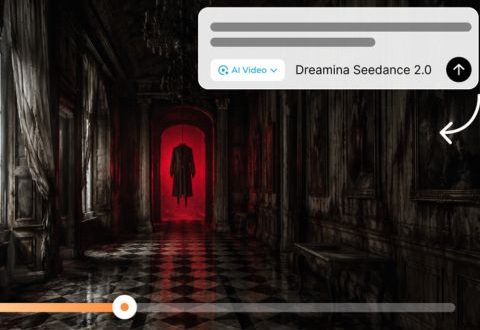
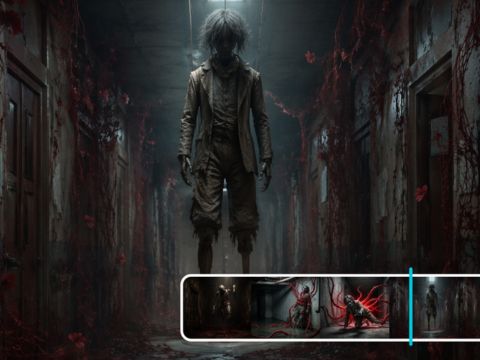
Horror has always been a low-budget genre with big imagination. Creature designs, haunted locations and poster ideas usually start as sketches, and when money is tight, a picture that shows the vision can matter as much as a script. A growing number of indie creators are now using AI image tools to produce those visuals in minutes.
The practice is spreading, and so is the debate around it.
How Creators Are Using the Tools
An AI image generator turns a written description, and sometimes a reference photo, into a new picture. Horror filmmakers use it for mood boards, location ideas, creature concepts, storyboard frames and rough poster mockups.
Many treat the results as a starting point to show cast, crew and collaborators the intended look. The output is rarely final artwork.
Why Artists Are Watching Closely
The genre has a long tradition of hand-drawn posters, practical effects and illustrated book covers, and many working horror artists see generated images as a threat to paid commissions. Some creators respond by hiring illustrators for the final work and using AI only for early planning.
Others avoid the tools altogether. Either way, the choice has become part of how projects are discussed, especially when audiences notice.
Crowdfunding and Transparency
Horror projects often raise money online, where visuals carry real weight. A pitch image that looks like a finished still can mislead backers about what the film will look like.
Clear labeling helps. Telling supporters that concept images are AI-generated, and showing what will be built practically, avoids confusion and protects a creator’s reputation.
Free Access and Its Limits
Many creators start with a free ai image generator, and free tiers are common across the category. They usually come with daily credit limits, lower resolution or slower queues at busy times.
Some services also restrict violent or graphic content, which can frustrate horror creators who want darker imagery. Checking a tool’s content rules before planning a workflow around it saves time.
One Service Among Many
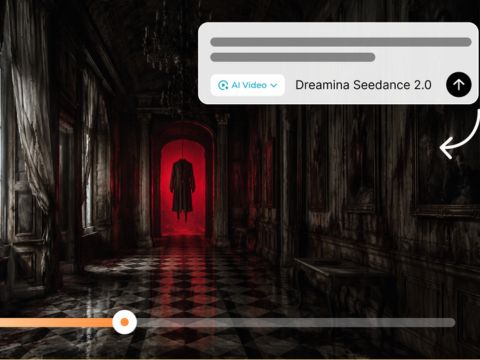
One of the services in this space is Dreamina, from the CapCut team, which offers an AI image generator that works from text or a reference photo. According to the company, it offers free daily credits and may require an account to generate or save images. These are the provider’s own descriptions, and creators should test any tool before relying on it.
Rights and Style
Ownership remains unsettled. Dreamina, for example, says commercial use is allowed but users must make sure their prompts, uploads and final images do not infringe anyone else’s rights, and that commercial permission does not automatically mean copyright ownership.
Creators should also avoid prompts that imitate a living artist’s signature style or recreate existing franchise characters. Studios and artists alike tend to react poorly, and the legal position is murky.
Quality Still Shows Its Seams
Generated images can look striking at first glance, then fall apart on inspection. Distorted hands, melted details and garbled text are common, which can unintentionally suit horror but rarely suits a professional poster.
The Bottom Line
AI image tools give indie horror creators a fast way to visualise ideas, but they also raise real questions about artists’ livelihoods, honesty with backers and ownership. Used openly and as a planning aid, they can sit alongside traditional craft rather than push it out.