The 1990s and 2000s were a golden age for space opera TV shows. The genre dominated the sci-fi landscape, delivering dozens of sprawling interstellar small-screen adventures. The decades spawned multiple Star Trek series like DS9 and Voyager, legendary shows like Babylon 5 and Battlestar Galactica, and cult hits like Farscape and Firefly. For viewers who loved stories set in the wilderness of deep space, there was no shortage of options.
While their popularity at one point couldn’t be matched, space operas began to fall out of pop culture favor by the time the 2010s arrived. The prestige TV era was in full swing, with audiences gravitating toward darker, more grounded shows with cinematic production values and tightly serialized storytelling. The tried and tested formula that space operas relied on felt dated, but new releases struggled to evolve or adapt. Then The Expanse arrived.
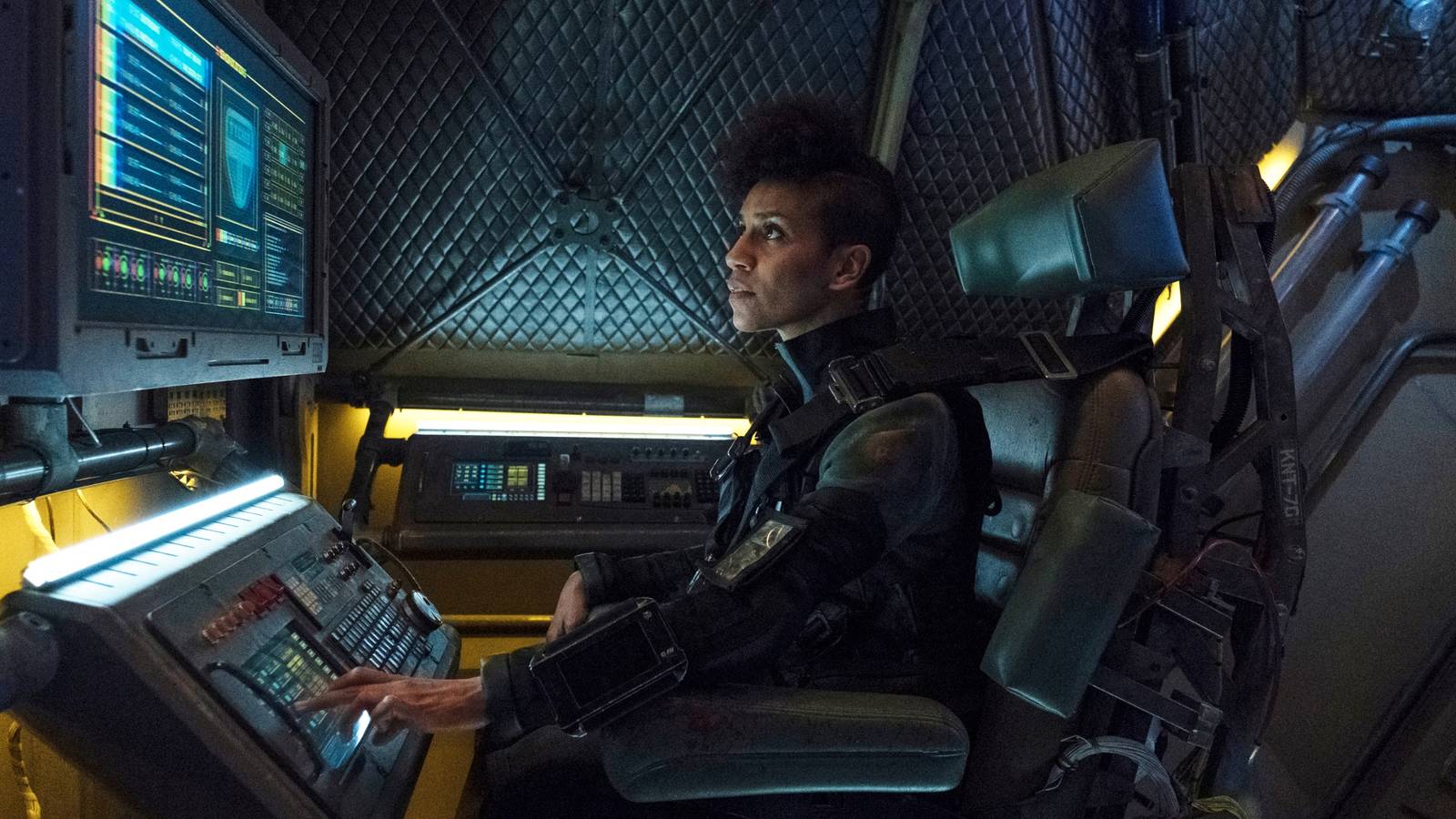
Running for six seasons between 2015 and 2022, The Expanse did more than revive interest in space operas. It reinvented the genre for the modern television landscape. For the first time, space opera fans had a narratively meaty series with the quality and production values that rivaled theatrical releases. If it wasn’t for The Expanse, the best modern space operas of the 2020s likely wouldn’t exist.
The Expanse Brought Space Operas To Prestige TV

When The Expanse debuted on Syfy in 2015, the TV entertainment landscape was undergoing a dramatic transformation. Prestige dramas and streaming services were reshaping viewing habits and audience tastes. While plenty of other genres had highly cinematic blockbuster budget offerings (such as Game of Thrones for fantasy and The Walking Dead for horror, for example), space operas still felt rooted in old habits.
Many space operas from the early 2010s still looked and felt like the series of the 1990s and 2000s. Episodic “adventure of the week” storytelling remained common, and visual effects budgets were often limited. Studios producing space operas had yet to fully embrace the prestige model that was elevating so many other categories of television. The Expanse changed that almost immediately.
The Expanse combined the intrigue-driven storytelling style of the prestige TV era and the sci-fi hallmarks of golden age space operas into a remarkably cohesive package. It proved that space opera TV shows could be every bit as sophisticated as the era’s most acclaimed dramas. The scale was enormous, yet never at the expense of character work. Rather than choosing between spectacle and substance, The Expanse excelled at both.
Its rescue by Amazon after Syfy canceled the series in 2018 only strengthened its legacy. Seasons 4 through 6 arrived as Prime Video exclusives, allowing The Expanse to fully embrace the streaming era. The move demonstrated that space operas were perfectly suited to bingeworthy streamable entertainment. Once under Prime’s wing, The Expanse proved that space opera wasn’t an outdated relic. It was a genre uniquely positioned to flourish in the age of streaming.
There’s Been A Space Opera Void Since The Expanse Ended

Although The Expanse wrote a blueprint for modern TV space operas, the genre has struggled to produce a true successor. Its ican be seen everywhere, but few series have managed to match it. There have been several high-quality space operas that debuted in the years since, such as Dune: Prophecy, The Ark, and various Star Trek shows like Strange New Worlds. However, none feel like they quite live up The Expanse and its epic 6-season saga.
The closest contender may be Apple TV+’s Foundation. Apple’s adaptation of Isaac Asimov’s novels has embraced massive ideas and centuries-spanning storytelling, and has some truly breathtaking visuals. It’s perhaps the best representation of the kind of prestige space opera that The Expanse helped normalize. However, it’s still ongoing and has not yet proven that it can stick the landing. To be a true successor to The Expanse it will need to have a solid story from beginning to end.
There is also reason for optimism on the horizon. Prime Video is developing The Captive’s War, based on novels by Daniel Abraham and Ty Franck, the authors behind The Expanse novels (under the shared pen name James S.A. Corey). Still, since it’s yet to enter production, let alone debut, it’s impossible to know whether it can continue the momentum that The Expanse generated.
For now, The Expanse remains the benchmark. It arrived when space operas desperately needed reinvention, dragged the genre into the prestige TV era, and demonstrated how powerful large-scale sci-fi storytelling could be when given the resources and creative freedom it deserved. Years after its finale, the entertainment landscape still lacks a series capable of filling the void The Expanse left behind.

- Release Date
-
2015 – 2022-00-00
- Network
-
SyFy, Prime Video
- Showrunner
-
Naren Shankar, Mark Fergus, Hawk Ostby
- Directors
-
Breck Eisner, Jeff Woolnough, David Grossman, Kenneth Fink, Rob Lieberman, Terry McDonough, Thor Freudenthal, Bill Johnson, David Petrarca, Jennifer Phang, Mikael Salomon, Sarah Harding, Marisol Adler, Anya Adams, Nick Gomez, Simon Cellan Jones
- Writers
-
Georgia Lee, Robin Veith, Hallie Lambert, Matthew Rasmussen, Ty Franck, Naren Shankar, Mark Fergus, Hawk Ostby, Daniel Abraham, Dan Nowak
-

-

Dominique Tipper
Naomi Nagata